North Parramatta & Westfields Physiotherapy & Sports Injuries
In this issue:

Merry Christmas | Bonus Card | Staying Safe at Christmas | Exercise Program 2010
Merry Christmas

At this very special time of year, all of us at North Parramatta and Westfields Physiotherapy would like wish you and your families a wonderful Christmas and a very happy and prosperous 2010.

In this issue of our newsletter, we are unveiling our new bonus card, giving some tips to help you survive the silly season (hopefully) unscathed and also outlining a new exercise program we are starting in 2010! Merry Christmas everyone! From Peter, Mary, Marnee, Vanessa, Margaret, Maree, Lisa-Maree, Rachael and Jessica.

Bonus Card
 
Loyalty Bonus

In 2009, we introduced our loyalty bonus, offering a discount voucher to all those who referred someone to our practice. Although it has been a great success and we are continuing this offer, we have been searching for a way to reward those who are also regularly attending treatment.

So…now in late 2009, we are introducing our new BONUS CARD. This is available to all our private patients and allows you to a free treatment after every 10 paid treatments. As with any scheme, this does come with some terms and conditions…

• The card is transferable to the card holders immediate family
• The card must be presented and stamped at the time of each consultation
• It cannot be used with any other bonus or discount offer.

We hope that this gesture goes some small way to showing you how much we appreciate your ongoing custom and realize that you are our most important asset!

Staying Safe at Christmas

Safe Christmas

For most of us, Christmas is an unusual time of year… no work, or at least reduced work hours, more family and ‘extended family’ time, more food (and more alcohol?), less routine, new toys!!!! The list goes on…. Unfortunately, because of all this, it can also be time of injury and regret!

Keeping this in mind, we have tried to come up with some pointers to help you stay pain and injury free this year.

Travelling

  • Driving
    Like with any prolonged period of sitting, long drives can lead to pain and discomfort, most commonly in the neck and lower back.
  • It is worthwhile to plan your trip so you can take regular breaks, at least two hourly. (This is important for road safety as well!) During these breaks, make sure you move! There is no point pulling over and then sitting in a chair at a road side café. Go for a short walk, do some stretches, make sure there is some activity involved to give your body a break from all that sitting.
  • Always be cautious of sitting posture. You may want to use a cushion or a lumbar roll placed in the curve of your back to give support.
  • If you have children, especially young ones that require attention, pull over. Don’t spend minutes at a time twisting and reaching from the front seat in order to attend to them. Stop the car and get into the back seat with them to make your task easier.

  • Plane
    Be careful of the weight of luggage. Often bags on planes weigh up to 20kg. This is more than most of us lift regularly. Additionally, there is the difficult task of getting bags into the car, requiring leaning, reaching, twisting and lifting. Once on the plane, placing bags in overhead lockers in the plane can also be tricky – lifting overhead, leaning and often twisting. Thinking about and planning the task before you start can be very worthwhile – eg arrange room in the overhead locker before lifting your bag overhead!
  • For longer trips where sleeping is a possibility, pack a neck pillow to prevent your neck being in an awkward position for a prolonged period of time.

  • Hotels/Camping
    If you have a tendency to get a sore neck when sleeping on unusual surfaces, pack your own pillow. If you are camping and tend to get a sore back, a good foam or inflatable mattress can make all the difference to your level of comfort while holidaying.

Christmas Day

  • The Gifts!!
    Wrapping paper can make it difficult to guess the weight of a gift, so take care – especially with the larger ones! Take a moment to remember good lifting posture, bending your knees, engaging your abdominal muscles and keeping your back upright. Use your legs to lift rather than your back.

  • Cooking
    Christmas can mean hours of standing in the kitchen preparing food, frequently catering for many more than we normally would. Wearing supportive shoes can reduce back and foot pain that often accompanies prolonged standing. Cooking for so many also involves a great deal of lifting, so make sure you ask others for help. This is particularly necessary when reaching over the oven door and lifting out heavy trays of meat or vegetables or reaching overhead into high cupboards for rarely used platters and serving dishes. A step stool would also be useful to minimize your need to reach and lean backwards while moving heavy items.

  • Prolonged sitting
    Large, long meals and conversations, computer games, fatigue after the big build up, all mean that Christmas day can be one of our most sedentary days of the year. While you’re sitting, aim to sit up straight – roll up a towel and place it behind your lower back to give some additional support to the lower curve of the back and draw in your abdominal muscles to turn on you core stabilizers, which will also give postural support. Once the meal is over – get up and move! Try and go for a walk, or engage in some activity to get you moving. Of course, if you haven’t played Christmas favourites like ‘backyard cricket’ or the ‘wii’ since last holiday season, start slowly and with care. If you do sustain an injury to any area during these games, remember your basic first aid - Rest, Ice, Compression, Elevation.

General

  • Gift wrapping
    Although it sounds obvious, sitting in a poor position for hours at a time can place a great deal of stress on your neck and back. Try to set yourself up at a table so you can sit or stand and minimize the need for leaning. Remember too, to take regular breaks and move out of these awkward positions to give your muscles and joints a break.

  • Exercise
    Breaking out of normal routine will often result in our usual exercise habits also being disrupted. Although this is fine in the short term, it is wise to remember that our regular training patterns are important to maintain fitness, strength, weight control and in some of us, integral in maintaining normal, pain free movement. Of course, you can substitute one type of exercise or try something new, but it is important to do something to break the cycle of sitting.

  • Using the laptop
    Long term laptop use (without using a stand, or separate monitor/keyboard) is not advisable as it can place undue stress on the neck, shoulders, lower back. Usually this is not an issue as workstations at home and at the office are generally set-up correctly, allowing the laptop to be used as a desktop. On holidays, however there is a tendency to use the laptop away from these places to check emails, download music, photos etc. which can all take a great deal of time! This can easily result in pain and stiffness. If you can’t modify the position of the laptop in the short term, our advice is consistent with the common theme… look after your posture and take regular breaks!
Exercise Programs
 
Excercise Program

Following on from our last newsletter and the abundance of evidence that demonstrates the benefits of exercise programs for things such as falls prevention, osteoporosis, osteoarthritis, North Parramatta Physiotherapy is commencing supervised exercise classes in 2010.

These classes will be run by one of the physiotherapists and will occur over a period of 8 weeks, with assessments both before and after, so you can monitor your progress. Although in a class setting, the program will be tailored for individual needs and each participant will complete their own set of exercises within the class setting.

Full details for the classes will be available early next year, but if you would like more details or would like to register your interest, please feel free to call us on 9890 2444 or email to admin@parraphysio.com.au

Please feel free to forward this email on if you know someone who will find the information useful. Alternatively, they can go to our website and subscribe to the newsletter themselves at www.parraphysio.com.au
© 2008 North Parramatta & Westfields Physiotherapy & Sports Injuries
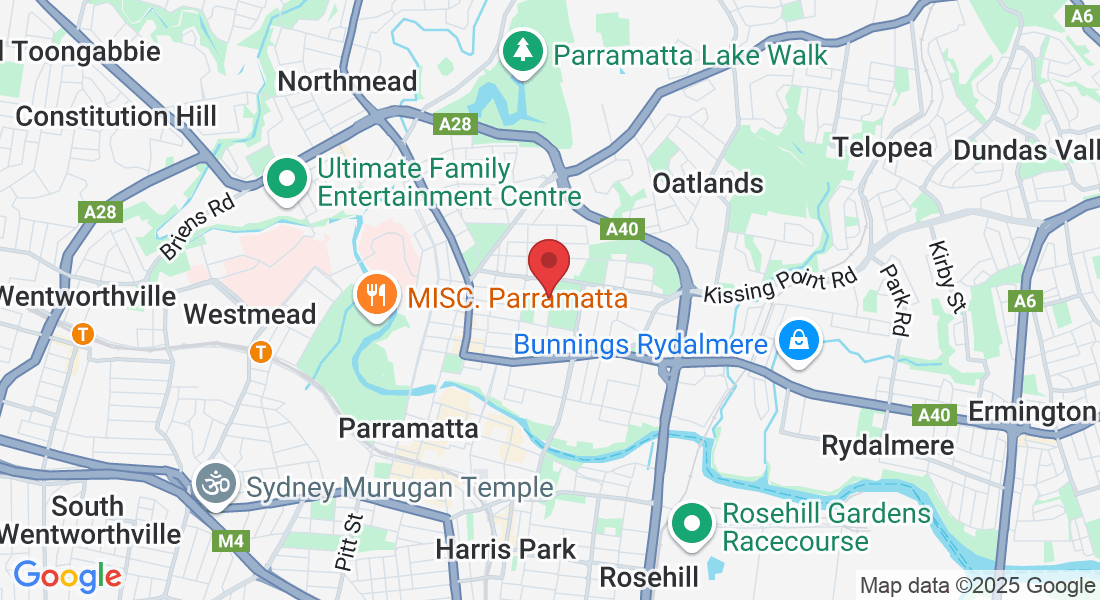
39 Grose Street North Parramatta NSW 2151 Ph: 02 9890 2444
Westfields Sports High School Hamilton Road Fairfied NSW 2165 Ph: 02 9604 3122
This email was sent by North Parramatta & Westfields Physiotherapy & Sports Injuries.
You have received this email because you previously registered your interest in our products/services.
If you received this message in error or wish to be removed from this mailing list
please click on the unsubscribe link below.

UNSUBSCRIBE

Created By: Webology